Should I Use Mouthwash?
Posted on Nov 01, 2024
Mouthwash is a liquid product used for various oral hygiene purposes. It’s a versatile addition to your dental care routine, offering benefits beyond just freshening your breath and can serve multiple purposes:
- Fresh Breath: One of the primary reasons people use mouthwash is to combat bad breath or halitosis. Mouthwash often contains antimicrobial agents that help kill bacteria responsible for foul odors, leaving you with minty-fresh breath.
- Plaque and Bacteria Control: Some mouthwashes are formulated to reduce plaque buildup and control harmful bacteria in the mouth, aiding in preventing gum disease and cavities.
- Gum Health: Other mouthwashes target gum health, helping to reduce inflammation and discomfort associated with conditions like gingivitis. They may contain soothing agents to provide relief.
- Teeth Whitening: Whitening mouthwashes can remove surface stains and maintain a brighter smile.
- Dry Mouth Relief: For individuals with dry mouth (xerostomia), there are mouthwashes specially designed to provide moisture and comfort, combating the sensation of dryness.
- Fluoride Protection: Some mouthwashes include fluoride, which strengthens tooth enamel and aids in cavity prevention.
It’s worth noting that mouthwash is available in various formulations, including alcohol-free options for those with sensitivity or concerns about alcohol content. Consult with your dentist or hygienist for guidance on which is best for you.
Previous Blog Article

Why Does My Mouth Feel So Dry?
Posted on Oct 01, 2024
Dry mouth, also known as xerostomia, can be an uncomfortable sensation. Several factors can contribute to this condition. One common cause is medication. Many prescription and over-the-counter drugs, including those for allergies, anxiety, and high blood pressure, can cause dry mouth as a side effect. Certain medical conditions can also lead to reduced salivary flow. Lifestyle choices like smoking and excessive alcohol consumption can exacerbate dry mouth symptoms. Moreover, breathing through the mouth due to nasal congestion or habits can contribute to the issue.
To alleviate dry mouth, several strategies can be beneficial. Staying well-hydrated by drinking plenty of water is crucial. Humidifying the air in your living space, especially at night, may alleviate nighttime dry mouth.
A range of products is available to provide relief. These products are specifically designed to increase salivary flow, alleviate the discomfort associated with dry mouth, and enhance overall oral health. Among these options are:
- Moisturizing mouthwashes, tailored to dry mouth, which contain soothing and moisturizing agents.
- Saliva substitutes, available as sprays, gels, or rinses, aim to mimic the properties of natural saliva, delivering essential lubrication and moisture.
- Sugar-free gum and sugar-free lozenges can stimulate saliva production and often include xylitol, which may offer additional oral health benefits.
- Specialized toothpaste formulated for dry mouth can alleviate dryness while also offering cavity prevention.
For those experiencing chronic or severe dry mouth, consulting with a dentist is advisable to receive guidance on the most suitable products and treatment options that can address the underlying cause and improve overall oral health.
Previous Blog Article
Should I Use Fluoride Toothpaste?
Posted on Sep 01, 2024
Fluoride toothpaste has long been a cornerstone of oral hygiene, and the answer to whether you should use it is a resounding yes.
Fluoride, a natural mineral, offers multiple benefits when it comes to maintaining oral health. It stands as a powerful ally in preventing tooth decay by strengthening tooth enamel, making it more resistant to acid attacks from bacteria and sugars. In fact, fluoride’s advantages go beyond prevention; in the early stages of tooth decay, it can actually help repair and remineralize weakened enamel, potentially averting the need for dental fillings. Its safety and effectiveness have led dental associations worldwide to endorse its use for individuals of all ages.
Nonetheless, there are a couple of considerations to bear in mind. For young children, especially those under the age of six, it’s important to use fluoride toothpaste in moderation to prevent excessive ingestion, as swallowing fluoride can lead to dental fluorosis. Additionally, if your area has fluoridated water, you may already be receiving some fluoride through your tap water. In such cases, it’s still beneficial to use fluoride toothpaste, but discussing the optimal fluoride level with your dentist can help ensure that your oral care routine aligns with your individual needs and circumstances.
Previous Blog Article

Why Am I Afraid of the Dentist?
Posted on Aug 01, 2024
Fear of pain is the main reason people avoid seeing the dentist. Fortunately, technological advances and medications can be used to reduce pain and anxiety for most procedures.
Here are some methods your dentist may employ:
- Topical anesthetics, applied with a swab, are routinely used to numb the area in the mouth or gums where the dental work will be done. A topical anesthetic is given prior to injection with a local anesthetic, such as Lidocaine. Topical anesthetics can also be used to reduce sensitivity during teeth cleanings.
- Laser drills. No more high-pitched whirring! Many dentists are now using lasers to remove decay within a tooth and prepare the surrounding enamel for placement of the filling. Lasers may cause less pain in some instances and result in a reduced need for anesthesia.
- Electronically delivered anesthesia (known as TENS) is now being used by many dentists to reduce pain. This non-invasive treatment is an alternative to the injection of a local anesthetic. Adhesive pads are placed on the face and a battery-powered device sends electrical impulses to the treatment area to numb it. The patient controls the level of stimulation through a hand-held unit.
- When inhaled, nitrous oxide (also called laughing gas) aids in a patient’s relaxation. It is one of the most common forms of sedation used in the dental office.
- An oral medication can be prescribed to help patients relax.
In summary, dental techniques have improved so much over the last few years that many modern dental procedures are now completely painless. At Discovery Smiles, we are committed to making your visit as stress-free as possible. Don’t hesitate to let us know if you are nervous and we will do all we can to ease your anxiety.
Previous Blog Article
When and How Often Should I Brush My Teeth?
Posted on Jul 01, 2024
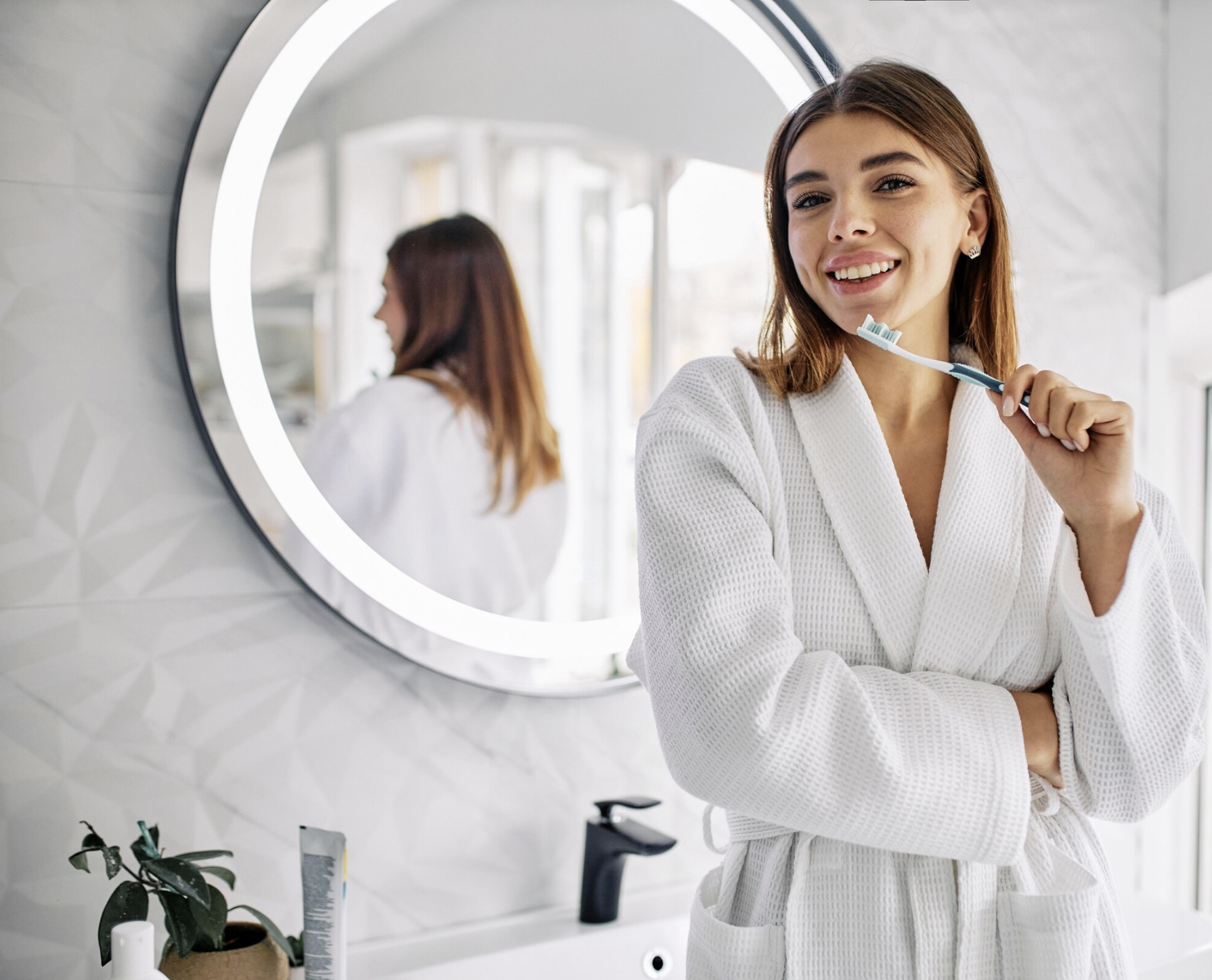
Proper brushing is a cornerstone of good oral hygiene, but knowing when and how often to brush your teeth is just as important as the act itself. The American Dental Association recommends brushing twice a day with fluoride toothpaste, for at least two minutes each time.
While brushing is crucial, timing matters too. It’s best to wait at least 30 minutes after a meal to brush your teeth. This is because any acids present in the food or drink you’ve consumed can temporarily soften the enamel on your teeth. Brushing too soon after eating can potentially remove some of this softened enamel. Foods and beverages high in acidity, such as soft drinks, citrus juices, sour candies, and certain fruits, can be particularly concerning. Waiting an hour before brushing is ideal, as during this time, your saliva helps wash away the acid, allowing the enamel to harden once more.
In addition to your regular brushing routine with toothpaste, there are times when you may want to brush without it. Brushing without toothpaste can be effective for quickly removing food particles lodged between your teeth and for freshening your mouth. It can provide a swift solution, especially when you don’t have access to toothpaste or when you want to maintain a clean feeling between meals. However, it’s important to note that brushing without toothpaste should not replace your standard twice-daily brushing routine with fluoride toothpaste for overall oral health.
Previous Blog Article

Is it Okay to Chew Sugar-Free Gum?
Posted on Jun 01, 2024
Sugar-free gum is a popular and readily available option for those looking to freshen their breath, enjoy a sweet treat without the sugar, or promote oral health. But the question remains, is it okay to chew sugar-free gum?
The answer is a resounding yes, and here’s why. Sugar-free gum is often sweetened with a sugar substitute called xylitol, a naturally occurring alcohol found in many plant materials. Xylitol has garnered attention for its potential oral health benefits. It’s been shown to help maintain a neutral pH level in the mouth, preventing plaque bacteria from adhering to teeth and causing enamel damage. Furthermore, xylitol can assist in stimulating saliva production, which acts as a natural defense against acidic attacks, and it can help clean the mouth when brushing isn’t immediately possible.
So, when you chew sugar-free gum, you’re not only indulging in a guilt-free, sweet-flavored experience, but you’re also promoting better oral health. However, as with most things, moderation is key. It’s essential to remember that while sugar-free gum is suitable for adults and young children, it’s not recommended for those under the age of seven, as they may not have the necessary motor skills to chew gum safely.
In summary, chewing sugar-free gum sweetened with xylitol can be a simple and enjoyable way to freshen your breath, enjoy a sweet treat without sugar, and potentially enhance your oral health. Just remember to chew responsibly, and you can savor the benefits guilt-free.
Previous Blog Article

How Diets Affect Your Dental Health
Posted on May 01, 2024
Your diet has a significant impact on your dental health. The foods and beverages you consume can either support your oral health or contribute to dental problems. Here are some tips to help you make wise dietary choices.
- Sugar and Tooth Decay: Sugary foods and beverages, such as candies, soda, and sweets, are a leading cause of tooth decay. When you consume sugary items, the bacteria in your mouth feed on the sugar and produce acids that can erode tooth enamel.
- Acidic Foods and Erosion: Acidic foods like citrus fruits and vinegar can weaken tooth enamel over time, leading to dental erosion. While these foods offer nutritional benefits, it’s essential to consume them in moderation and rinse your mouth with water after eating them.
- Carbohydrates: Starchy foods like bread, crackers, and chips contain carbohydrates that break down into simple sugars in the mouth. Bacteria feed on these sugars, producing acids that can harm teeth.
- Calcium and Phosphorus: Calcium and phosphorus are essential minerals for strong teeth. Dairy products, lean meats, and leafy greens are good dietary sources of these minerals. Including them in your diet can help fortify your teeth.
- Hydration and Dry Mouth: Dehydration can lead to dry mouth, a condition that reduces saliva production. Saliva helps neutralize acids and protect your teeth. Drink plenty of water throughout the day to maintain proper hydration and oral health.
- Fiber for Gum Health: Fiber-rich foods like fruits and vegetables can help clean teeth and gums as you chew. They also stimulate saliva production and contribute to gum health.
- Chewing Gum and Dental Health: Sugar-free chewing gum, particularly gum containing xylitol, can stimulate saliva production and help clean the mouth.
Conscious and conscientious dietary choices can significantly improve and maintain your oral health. Your smile deserves an encore so tailor your diet to keep the show going.
Previous Blog Article

What Are Some Fun Ways to Encourage My Kids to Brush and Floss?
Posted on Apr 01, 2024
Getting kids excited about oral hygiene can be a challenge, but it’s essential for their long-term dental health. Here are a few suggestions for making it fun.
- Musical Toothbrushes: Invest in musical toothbrushes that play catchy tunes for the recommended brushing duration of two minutes.
- Reward Charts: Create a colorful reward chart and give your child a sticker each time they brush and floss without complaints. After accumulating a set number of stickers, offer a small reward like a special treat or extra playtime.
- Cartoon Instruction Videos: Show your child animated videos or cartoons that explain the importance of brushing and flossing. Many educational videos are available online, making it an entertaining way to learn about dental care.
- Kid-Friendly Toothpaste: Let your child choose a toothpaste with flavors they enjoy, like strawberry, bubblegum, or watermelon.
- Fun Toothbrushes: Select toothbrushes with your child’s favorite colors or characters. They’re more likely to use a toothbrush they find visually appealing.
- Family Brushing Time: Make brushing and flossing a family activity. When children see their parents and siblings engaged in oral care, they’re more likely to view it as a normal and essential part of the day.
- Bedtime Routine: Incorporate brushing and flossing into your child’s bedtime routine. It can be a fun and calming way to end the day, ensuring they go to bed with a clean and healthy smile.
Remember that the key to encouraging children to maintain good oral hygiene is to make it enjoyable, engaging, and a regular part of their daily routine. With these fun strategies, you can help your child build healthy dental habits that will benefit them for a lifetime.
Previous Blog Article

How Can I Instill Good Oral Health Habits in My Children?
Posted on Mar 01, 2024
Teaching your children good dental habits from an early age is paramount to ensure they maintain healthy and beautiful smiles throughout their lives. Here are some steps and strategies for instilling good habits:
Good oral hygiene starts at the beginning of your child’s life. Even before the first set of teeth emerges, you can use a soft cloth or gauze to gently clean your child’s gums to introduce them to the idea of oral care. When that first tooth appears, it’s time to introduce a soft-bristle toothbrush designed for infants. As your child grows, transition to a child-sized toothbrush with the right bristle softness.
Around the age of two, you can start incorporating a small amount of fluoride toothpaste into their brushing routine. A pea-sized amount is ideal, and encourage them to spit it out rather than swallowing it.
Consider using a timer to ensure your child brushes for at least two minutes. You can also opt for toothbrushes with fun characters and colorful designs to make brushing more appealing.
Regular dental check-ups are a cornerstone of good oral health. Schedule your child’s initial dental appointment by their first birthday or when their first tooth erupts. These visits help in the early detection and prevention of dental issues.
Reward your child for their dedication to maintaining good oral health. Utilize positive reinforcement methods, such as sticker charts or other incentives, to motivate them on their journey to a lifetime of healthy smiles.
Previous Blog Article
What Can I Expect During My Dental Cleaning?
Posted on Feb 01, 2024
Maintaining good oral hygiene is essential for a healthy and beautiful smile. One of the key components of oral care is regular dental cleanings.
Before the actual cleaning begins, the dental hygienist will often conduct a preliminary examination of your mouth. This examination helps identify any issues or changes since your last visit, such as signs of gum disease or cavities.
The dental hygienist will then perform scaling, which involves using specialized tools to remove the plaque and tartar buildup on your teeth. Plaque is a soft, sticky film of bacteria, while tartar is hardened plaque. This process might produce some scraping sounds, but it’s usually not painful.
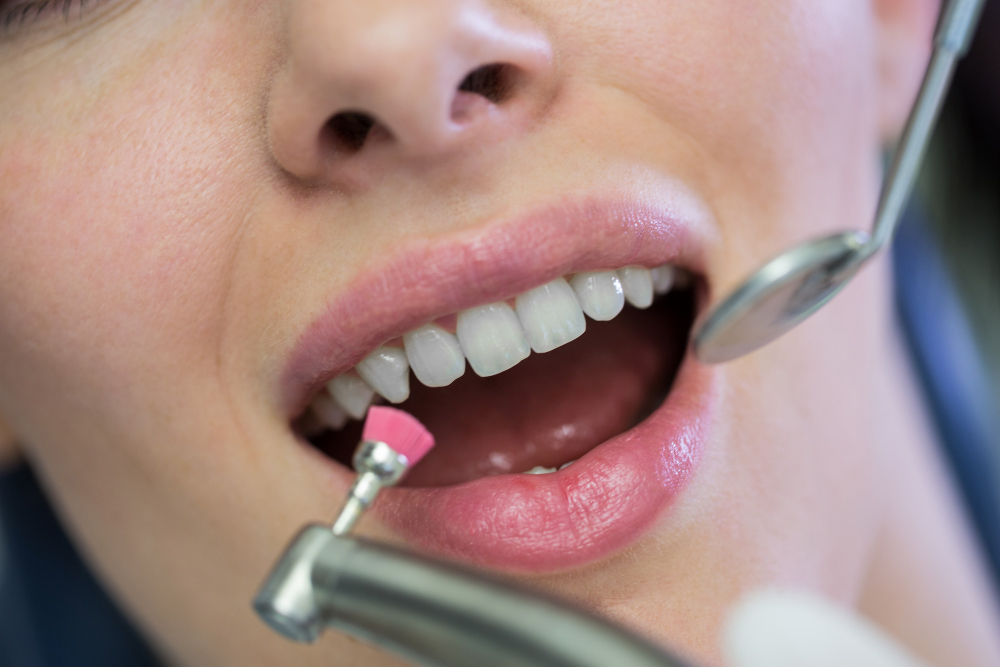
After scaling, your teeth will be polished to remove surface stains and create a smoother texture. A gritty toothpaste-like substance is applied and then buffed with a rotating brush or rubber cup. This step leaves your teeth feeling smooth and looking shiny.
Lastly, the dental hygienist will floss your teeth to ensure all plaque and debris are removed from between your teeth and along the gumline.
Many dental offices also offer a fluoride treatment, usually in the form of a gel or foam, which helps strengthen your teeth and prevent cavities.
The entire process typically takes around 30 minutes to an hour, depending on the level of cleaning required. The result is a fresh, clean, and healthy mouth, free from plaque and tartar buildup.
Are you ready to schedule your dental cleaning?
 Call us