Halloween Doesn’t Have to Scare Your Teeth: Smart Candy Choices
Posted on Oct 01, 2026
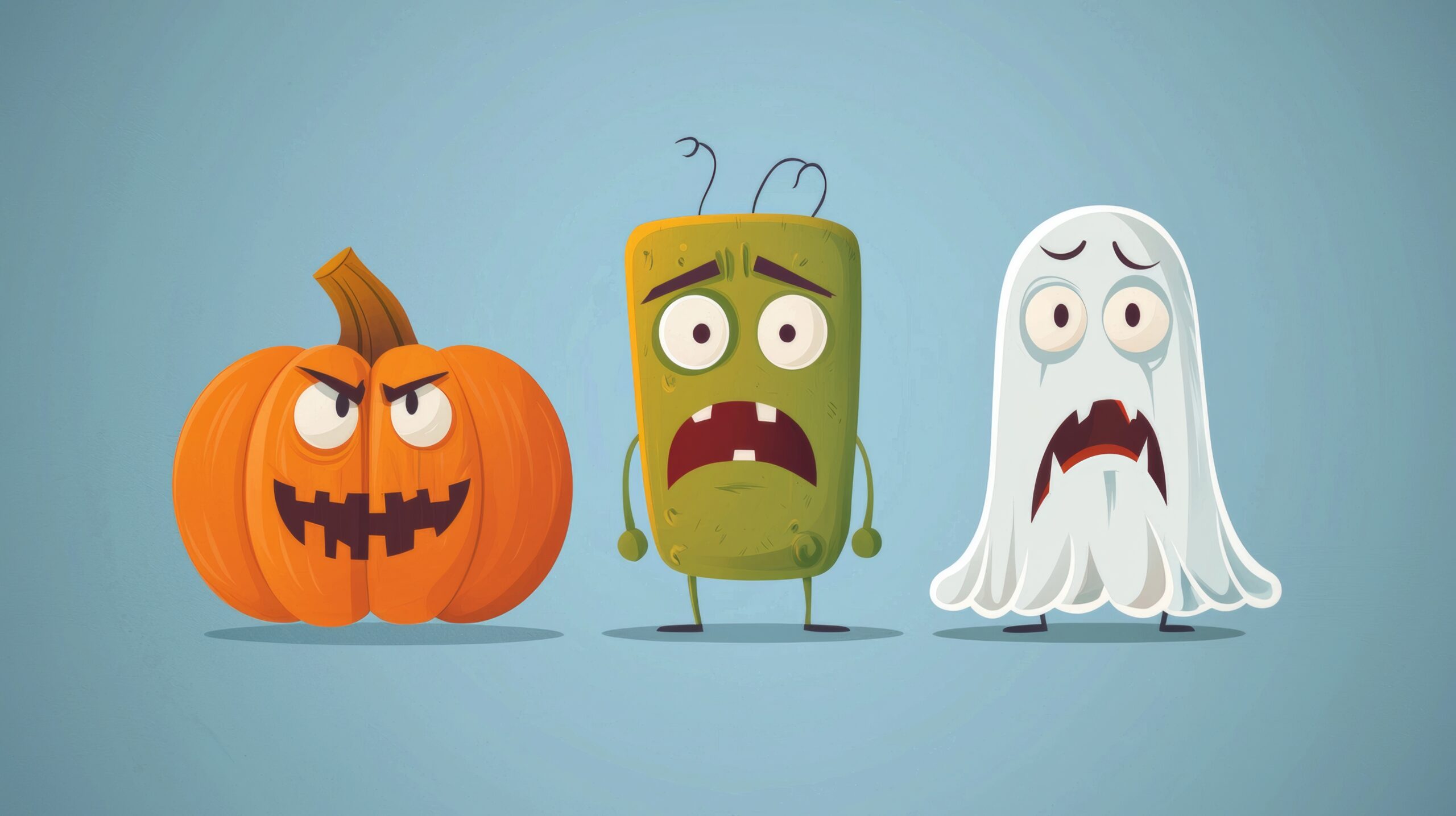
Halloween is one of the sweetest times of the year. Kids dress up, candy fills the house, and everyone enjoys a few extra treats. But too much sugar can lead to tooth troubles long after the costumes are packed away.
At Discovery Smiles Dentistry in Tucson, we want families to enjoy the fun of Halloween without worrying about cavities. With a few smart choices and simple habits, you can keep your smile healthy and still celebrate every piece of candy that comes your way.
1. Not All Candy Is Created Equal
Some candies are much harder on teeth than others. Sticky sweets like caramels, gummies, or taffy cling to the grooves of molars and feed cavity-causing bacteria. Hard candies stay in the mouth longer, bathing teeth in sugar for several minutes.
Better choices include:
- Chocolate, which melts quickly and washes away more easily
- Sugar-free gum, which stimulates saliva and helps clean teeth naturally
- Small candy bars that are eaten in one sitting rather than slowly over time
Chocolate lovers can smile knowing it is the least damaging treat of all, especially when followed with a sip of water.
2. Timing Matters
It is not only about how much sugar you eat but also how often you eat it. Snacking on candy throughout the day keeps teeth constantly exposed to sugar and acid.
Smart habit: Enjoy treats right after meals when saliva flow is higher and helps neutralize acids. Then rinse with water or brush after thirty minutes. A single candy session is always better than nibbling all day.
3. Balance Treats with Real Food
Make sure candy is not the main event. Include plenty of protein, fruits, and vegetables in your Halloween menu to balance out the sugar. Cheese, nuts, and crunchy apples are excellent for cleaning teeth and restoring a healthy pH balance.
If you host a Halloween party, include fun options like apple slices with peanut butter, vegetable platters, or cheese sticks shaped like ghosts. Kids still get a festive experience while learning that treats can be part of a balanced plate.
4. Hydration Is Your Secret Weapon
Water is your best friend during candy season. It washes away sugar, keeps saliva flowing, and prevents dry mouth. The dry desert climate of Tucson can increase dehydration, especially when kids are running from house to house trick-or-treating.
Encourage everyone to drink plenty of water between sweets. If you drink bottled water, include some fluoridated tap water each day to keep enamel strong.
5. Avoid Using Teeth as Tools
Halloween candy wrappers can be tough to open, and kids sometimes use their teeth to tear them. That small shortcut can chip enamel or damage dental work. Use scissors or your hands instead. Teeth are meant for smiling and chewing, not opening packages.
6. Protect Braces and Dental Work
If your child wears braces or has retainers, choose soft candies that will not stick or pull on wires. Chocolate and peanut butter cups are safe options. Sticky or hard candies can break brackets or get lodged in wires, leading to an unexpected dental visit.
After trick-or-treating, sort candy together and set aside the sticky and chewy ones for donation or trade. This makes it easier for kids with braces to enjoy Halloween without worry.
7. Make a Candy Plan
Instead of restricting candy completely, create a plan before Halloween night. Decide how many pieces can be enjoyed each day and when to enjoy them. Setting clear expectations helps children learn moderation and prevents constant grazing.
You can even turn it into a family tradition. Let kids pick their favorite candies to keep and donate the rest to community drives or care packages. Everyone wins and smiles stay healthy.
8. Keep Brushing and Flossing on Track
Excitement and late-night events can make kids forget their routines. Remind them to brush for two full minutes before bed and floss between teeth to remove any sticky residue.
If you are attending parties or traveling, pack a small dental kit with travel-size toothpaste, floss, and a toothbrush. Keeping these habits consistent is the best defense against Halloween cavities.
9. Schedule a Post-Halloween Cleaning
After the candy craze ends, a professional cleaning at Discovery Smiles Dentistry is the perfect way to reset. We gently remove any plaque buildup, polish teeth, and make sure no hidden sugar damage remains.
Regular cleanings twice a year keep your smile healthy through every holiday season.
Enjoy the Treats and Protect Your Smile
Halloween should be fun, not frightening for your teeth. Choosing chocolate instead of sticky candies, drinking plenty of water, and keeping up with brushing and flossing will help your family enjoy the season with confidence.
At Discovery Smiles Dentistry in Tucson, we believe every smile deserves to shine long after the last piece of candy is gone.
Call 520-721-2000 to schedule your family’s fall checkup today and keep your smiles bright, healthy, and cavity-free all the way to Thanksgiving.
Previous Blog Article

Back to School, Back to Dental Basics
Posted on Sep 01, 2026
Checkups, Cleanings, and Preventive Care
The start of a new school year is always a fresh beginning. Families are adjusting to new schedules, sports, homework, and after-school routines. It is also one of the best times to get back to dental basics. Healthy teeth and gums help children focus better, smile confidently, and avoid missed school days caused by preventable dental problems.
At Discovery Smiles Dentistry in Tucson, we believe back to school is the perfect reminder to make preventive dental care a family priority.
1. The Importance of Regular Checkups
Even if your child’s teeth look fine, small cavities and early signs of gum inflammation often start without pain. Twice-yearly checkups help us spot those issues early when they are simple to fix.
During a visit, we gently clean away tartar, check for weak enamel, and review brushing techniques. For kids in braces, cleanings also prevent buildup that can stain around brackets. Consistent care keeps every smile classroom ready.
2. Cleanings Do More Than Shine Teeth
Professional cleanings do more than make teeth look brighter. They remove plaque that ordinary brushing misses and keep gums healthy.
For kids who love sports drinks or juice boxes, these cleanings are especially important. Those beverages leave behind sugar and acid that can slowly erode enamel. Regular cleanings keep the damage under control and reduce the risk of future cavities.
3. The Power of Preventive Treatments
Prevention saves time, money, and discomfort. That is why we often recommend sealants and fluoride for children and teens.
Dental sealants are thin protective coatings placed on the chewing surfaces of back molars. They seal off deep grooves where bacteria hide. One simple application can protect teeth for several years.
Fluoride treatments strengthen enamel and help reverse early signs of decay. These quick, painless steps add an extra layer of protection for growing smiles.
4. Healthy Habits at Home
Good dental health begins at home. Encourage children to brush for two full minutes twice a day with a pea-sized amount of fluoride toothpaste. Help them floss once a day, especially between back teeth where food tends to stick.
You can make brushing fun with songs, timers, or colorful toothbrushes. Young children love routines that feel like games, and consistency helps form lifelong habits.
5. Watch Out for School Snack Traps
Lunch boxes often contain snacks that seem harmless but can cause trouble over time. Sticky granola bars, fruit gummies, and chips cling to teeth long after lunch.
Healthier options include cheese sticks, apple slices, baby carrots, and water. They taste great and naturally clean the mouth while your child eats. If your child enjoys a sweet treat, pair it with water instead of juice or soda to rinse away sugars.
6. Sports Safety Matters
If your child plays soccer, baseball, or other contact sports, protect that winning smile with a custom mouthguard. Store-bought guards help a little, but custom versions from Discovery Smiles Dentistry offer better comfort and protection. They are molded to your child’s exact teeth so they stay in place even during intense activity.
7. Teen Dental Care
Teenagers face new challenges as schedules get busier. They often snack more, drink more coffee or soda, and stay up late. These habits can quietly increase cavity risk and cause early enamel wear.
We remind our teen patients to brush before bed, drink plenty of water, and avoid frequent energy drinks. For those with braces or clear aligners, we provide easy cleaning tips to keep their smiles healthy throughout treatment.
8. The Connection Between Oral Health and Academic Success
Healthy mouths contribute to healthy minds. Research shows children who experience dental pain are more likely to miss school and struggle with concentration. A clean, pain-free smile supports confidence, speech, and social comfort. Preventive care really is part of academic success.
9. Make It a Family Tradition
Parents set the tone. When kids see you value regular dental visits, they learn that oral health matters. Schedule family checkups together before the school calendar fills up. It turns appointments into a shared routine instead of a chore.
Our Tucson office welcomes children, teens, and adults with a friendly, relaxed environment that helps everyone feel comfortable.
A Great Year Starts with a Great Smile
Back-to-school season is about new beginnings, and a healthy smile sets the right tone for the year ahead. Regular cleanings, simple preventive treatments, and good home habits create the foundation for lifelong dental health.
At Discovery Smiles Dentistry in Tucson, we are here to help your family start the school year strong, healthy, and confident.
Schedule your child’s checkup today and make this school year their brightest yet. Call 520-721-2000 to book your appointment.
Previous Blog Article

The Role of Nutrition in Strong Teeth: What to Eat (and Skip)
Posted on Jul 01, 2026
Healthy teeth start long before you pick up your toothbrush. What you eat every day plays a huge role in keeping your smile strong, bright, and cavity-free. Food fuels the body, but it also feeds the bacteria in your mouth, for better or worse.
At Discovery Smiles Dentistry in Tucson, we love helping patients understand how simple nutrition choices can protect enamel, strengthen gums, and even freshen breath naturally. Here’s a guide to foods that build up your smile, and a few that quietly wear it down.
1. Calcium: The Foundation of Strong Teeth
Calcium is the superstar mineral of oral health. It fortifies tooth enamel, supports jawbone density, and helps prevent decay.
Best sources include:
- Dairy products like milk, yogurt, and cheese
- Leafy greens (kale, spinach, collard greens)
- Fortified plant milks (almond, soy, oat)
- Almonds and sesame seeds
Why cheese matters: It’s not just calcium-rich, it also raises saliva pH, reducing acid in the mouth and helping enamel stay intact.
2. Vitamin D: The Calcium Helper
Even if you eat plenty of calcium, your body can’t use it without enough vitamin D. Living in sunny Tucson gives us a natural advantage, but sunscreen and indoor living can limit exposure.
Add these to your diet:
- Fatty fish like salmon, tuna, and sardines
- Egg yolks
- Fortified foods such as orange juice or cereals
If you’re often indoors, talk with your healthcare provider about vitamin D supplements. Strong enamel depends on it.
3. Phosphorus: The Enamel Builder
Phosphorus works hand-in-hand with calcium to rebuild enamel crystals that wear down daily from acids and chewing.
You’ll find it in:
- Eggs
- Lean meats and poultry
- Dairy
- Nuts and beans
Together, calcium and phosphorus form the “bone matrix” that gives teeth and jaws their lasting strength.
4. Vitamin C: Gum Protector
Healthy gums are just as important as healthy teeth. Vitamin C keeps gum tissue strong and helps it heal quickly after brushing, flossing, or dental procedures.
Without enough, gums can become swollen or bleed easily, a sign of early gingivitis.
Great sources:
- Citrus fruits (oranges, grapefruit, tangerines)
- Bell peppers and broccoli
- Strawberries and kiwi
Pro tip: Citrus is acidic, so rinse your mouth with water afterward to prevent enamel wear.
5. Crunchy, Fiber-Rich Foods: Nature’s Toothbrush
Apples, carrots, celery, and cucumbers are more than healthy snacks. They mechanically scrub your teeth as you chew.
They also stimulate saliva flow, your mouth’s built-in defense against decay.
Try this: Swap one processed snack each day for a crisp fruit or veggie. Your teeth (and waistline) will thank you.
6. Water: The Unsung Hero
It may sound simple, but water is the most important beverage for oral health.
It washes away food particles, dilutes acids, and keeps saliva production steady.
In Tucson’s hot, dry climate, dehydration happens fast, so keep a reusable bottle close and sip often.
If you use bottled water, check that it’s fluoridated or mix in a few glasses of tap water each day to get cavity-fighting fluoride benefits.
7. Foods and Drinks to Limit
Some foods weaken enamel or stain your smile without you realizing it. Try to enjoy these only occasionally:
- Sticky candies and dried fruit: linger on teeth and feed bacteria
- Soda, energy drinks, and sweet tea: loaded with sugar and acid
- Wine, coffee, and dark sauces: can discolor enamel over time
- Highly processed snacks: crackers and chips break down into simple starches that stick between teeth
Quick fix: Rinse with water after eating or drinking these, and brush 30 minutes later to avoid spreading acids over softened enamel.
8. Balanced Meals Make the Difference
Your mouth thrives on balance: protein, complex carbs, healthy fats, and lots of vitamins and minerals.
If your diet leans heavily on convenience foods, small swaps can have big effects:
|
Instead of…
|
Try…
|
|
Sugary breakfast cereal
|
Greek yogurt with berries
|
|
Afternoon soda
|
Sparkling water with lemon
|
|
Late-night chips
|
Apple slices with peanut butter
|
|
Candy bar pick-me-up
|
Handful of almonds
|
Balanced meals don’t just nourish your body, they keep your teeth strong enough to last a lifetime.
9. Nutrition and Dental Visits Go Hand in Hand
Even the best diet can’t replace professional cleanings and checkups. Your Tucson dental team can spot early signs of enamel wear, discuss fluoride options, and help fine-tune your diet for your unique smile.
Discovery Smiles Dentistry often works with patients who have sensitive teeth or frequent cavities despite good brushing habits. Nutrition is usually the missing piece.
Feed Your Smile, Feel the Difference
Strong, healthy teeth start in the kitchen as much as the bathroom sink. By filling your plate with calcium, vitamin-rich produce, and water instead of sugar, you’re giving your mouth exactly what it needs to shine.
At Discovery Smiles Dentistry in Tucson, we’re here to help you create habits that make your smile stronger from the inside out.
Ready for your mid-summer cleaning or a personalized nutrition consult for your smile?
Call 520-721-2000 to schedule your next visit today, and keep your teeth fueled for a lifetime of confident, healthy grins.
Previous Blog Article

Summertime Habits That Hurt Your Teeth (and How to Avoid Them)
Posted on Jun 01, 2026
Summer in Tucson means sunshine, travel, and more time outdoors, but it can also mean a few sneaky habits that put your smile at risk.
From sugary drinks by the pool to using your teeth as makeshift tools (we see it every year!), the warm months bring their own set of dental challenges.
At Discovery Smiles Dentistry, we want you to enjoy every summer adventure while keeping your teeth healthy, strong, and bright. Here are some common summer smile pitfalls, and how to avoid them.
1. Sipping on Sweet Drinks All Day
It’s hot. You’re thirsty. And an iced soda or sports drink feels like the perfect fix. But constant sipping is one of the biggest culprits behind summer cavities.
Sugary and acidic drinks, like soda, lemonade, and even flavored sparkling waters, coat your teeth in a film that bacteria love to feed on. Over time, this leads to enamel erosion and decay.
Better habit:
- Drink water most of the time, ideally fluoridated tap water.
- If you do have a sweet beverage, enjoy it with a meal instead of sipping all day.
- Rinse your mouth or drink plain water afterward to wash away acid.
Bonus tip: Tucson’s dry heat can dehydrate you quickly, so keep a refillable water bottle handy and aim to sip water every 20 – 30 minutes.
2. Chewing Ice or Using Teeth as Tools
We get it! Ice is tempting when it’s 105°F outside. But chewing on it can cause tiny fractures in enamel that weaken your teeth over time.
The same goes for opening packages, bottle caps, or anything else with your teeth. Even a “quick fix” can lead to a painful dental emergency.
Better habit: Keep crushed ice or chilled water nearby to stay cool, and use scissors or proper openers instead of your smile. Your teeth aren’t tools. They’re treasures!
3. Forgetting to Brush During Travel
Vacations are all about breaking routine, but skipping brushing while you’re on the road can undo months of good habits. Plaque builds up quickly, especially after eating more snacks and sweets than usual.
Travel tips:
- Pack a small dental kit: travel toothbrush, mini toothpaste, and floss picks.
- Brush twice daily, even if your schedule is off.
- If brushing isn’t possible, rinse with water or chew sugar-free gum after meals.
When you get back to Tucson, schedule a quick cleaning at Discovery Smiles Dentistry to get your mouth back on track.
4. Swimming in Chlorinated Pools
Spending lots of time in pools can sometimes affect your teeth. High chlorine levels can alter the mouth’s pH balance, leading to “swimmer’s calculus,” a yellowish or brownish stain that forms on enamel.
Prevention:
- Rinse your mouth with fresh water after swimming.
- Brush gently with fluoride toothpaste to neutralize any acid exposure.
If you notice persistent staining, a professional cleaning can polish it away.
5. Summer Snacks That Stick Around
Caramel popcorn, chewy candies, dried fruit, and trail mix are vacation staples, but they’re also magnets for plaque. Sticky foods cling to enamel and hide in crevices, especially in back molars.
Better choices:
- Fresh fruit, crisp veggies, and cheese cubes.
- Nuts in moderation (they’re healthy but can crack teeth if bitten too hard).
- Dark chocolate melts away faster than sticky candy and is lower in sugar.
6. Sports Without a Mouthguard
Summer sports like mountain biking, baseball, and pickup basketball are fun until a flying ball or elbow meets your mouth. One hit can cause chipped or even knocked-out teeth.
Protect yourself:
Ask Discovery Smiles Dentistry about a custom mouthguard. It fits comfortably, allows easy breathing, and provides much better protection than store-bought versions.
Even weekend athletes benefit, especially kids and teens who play summer leagues around Tucson.
7. Whitening Overload
Everyone wants a bright smile for summer photos, but overusing whitening strips or gels can irritate gums and make enamel sensitive.
Best approach:
- Have your teeth whitened professionally for even, long-lasting results.
- If you use take-home kits, follow directions carefully and avoid daily use.
Our team can recommend safe, effective whitening options that give you that summer sparkle, without the sting.
8. Skipping Dental Visits Until Fall
Many people postpone dental appointments until after summer trips, but that can allow small issues to turn into big problems.
If you’re due for a cleaning or notice sensitivity, don’t wait. Early treatment is always easier (and less expensive) than a mid-vacation emergency.
At Discovery Smiles Dentistry, we offer flexible scheduling and gentle, thorough care for the whole family, perfect for fitting into your summer calendar.
Keep Your Smile Cool This Summer
With a few smart choices, your teeth can stay as bright and healthy as your summer mood.
Drink plenty of water, brush regularly, and protect your teeth from both sugar and impact.
When you return from your adventures, schedule your next cleaning or whitening at Discovery Smiles Dentistry in Tucson.
We’ll help you refresh your smile so you’re ready to shine through the rest of 2026.
Call 520-721-2000 to book your summer check-up today, and keep your smile vacation-ready all year long.
Previous Blog Article

Children’s Dental Health Myths: Separating Fact from Fiction
Posted on May 01, 2026
When it comes to kids’ teeth, family advice can be all over the place. Some of it is helpful, but much of it is based on old habits or half-truths that can actually hurt a child’s oral health.
At Discovery Smiles Dentistry in Tucson, we hear these myths every week, and we love helping parents separate fact from fiction so their kids can grow up with healthy, confident smiles.
Myth 1: “They’re just baby teeth, so cavities don’t matter.”
Reality: Baby teeth are small but mighty. They hold the space for permanent teeth and guide them into the right position. When decay or infection causes early loss, nearby teeth can drift and create crowding or bite problems.
Untreated cavities can also cause pain, affect chewing, and spread infection to developing adult teeth.
Bottom line: Baby teeth matter! Regular cleanings, sealants, and fluoride treatments protect them until it’s their natural time to fall out.
Myth 2: “Kids don’t need to see the dentist until they start school.”
Reality: The American Academy of Pediatric Dentistry recommends the first dental visit by age 1, or within six months of the first tooth appearing.
Early visits aren’t just about checking for cavities; they help children get comfortable in the dental chair, let parents learn proper brushing techniques, and allow the dentist to monitor early growth.
At Discovery Smiles Dentistry, we keep these first visits short, positive, and even fun, so little ones feel safe and proud of their healthy teeth.
Myth 3: “Fluoride is dangerous for children.”
Reality: In the right amount, fluoride is one of the best tools we have to prevent cavities. It strengthens enamel, reverses early decay, and helps teeth resist acid attacks.
Problems only arise from swallowing large amounts (far more than what’s found in toothpaste or tap water).
Pro tip: Use a rice-sized smear of toothpaste for kids under 3 and a pea-sized amount for older children. Always supervise brushing to be sure they spit, not swallow.
Myth 4: “Sugar is the only cause of cavities.”
Reality: Sugar plays a big role, but it’s not the only factor. Cavity-causing bacteria feed on carbohydrates of all kinds, including crackers, chips, and sticky snacks.
The bigger issue is frequency: constant snacking or sipping keeps teeth bathed in acid.
Better habit: Offer water between meals and limit juice or sweet drinks to special occasions. Encourage kids to rinse with water after snacks if brushing isn’t possible.
Myth 5: “My child brushes well on their own.”
Reality: Even the most independent kids need help. Most children don’t have the dexterity to brush thoroughly until about age 7 or 8.
Parents should do a quick follow-up “check-brush” to catch the spots kids miss, especially along the gumline and back molars.
Tip: Make it fun! Use music, timers, or reward charts. Kids love seeing progress and earning gold-star smiles.
Myth 6: “Thumb-sucking ruins teeth instantly.”
Reality: Occasional thumb-sucking or pacifier use is normal and comforting for young children. Problems only arise if the habit continues after age 4 or 5, when adult teeth start coming in.
Gentle reminders and positive reinforcement usually help kids stop naturally.
Myth 7: “If my child has no pain, everything’s fine.”
Reality: Early cavities and gum problems rarely cause pain until they’re advanced. By the time a child complains, treatment may already be more complex.
Regular dental checkups allow us to find and fix small issues early, saving both discomfort and cost later.
Healthy Smiles Start Early
Children who grow up seeing the dentist regularly are far more likely to maintain good habits as adults. Preventive care, patient education, and a calm, welcoming environment are the cornerstones of what we offer at Discovery Smiles Dentistry.
Whether it’s your toddler’s first visit or your teen’s routine cleaning, our Tucson team focuses on making every experience positive.
We’ll show your child how to care for their teeth, protect their smile, and feel proud every time they grin.
Ready for your child’s next check-up?
Schedule a pediatric visit with Discovery Smiles Dentistry in Tucson today, and let’s build healthy smiles – myth-free! Call 520-721-2000 to book an appointment today.
Previous Blog Article
Spring Cleaning Your Mouth
Posted on Mar 01, 2026
Why You Should Replace Your Toothbrush Every 3 – 4 Months
Spring in Tucson is a season of renewal with desert blooms, fresh air, and a good reason to declutter the things that have overstayed their welcome. While you’re tackling closets and cupboards, don’t overlook one of the most important tools in your daily health routine: your toothbrush.
That small brush on your sink counter has a big job, and if it’s been hanging around too long, it may be doing more harm than good. Here’s why changing your toothbrush every three to four months can make a huge difference in your dental health, and how to keep your brushing routine as fresh as the season.
1. Old Toothbrushes Stop Cleaning Effectively
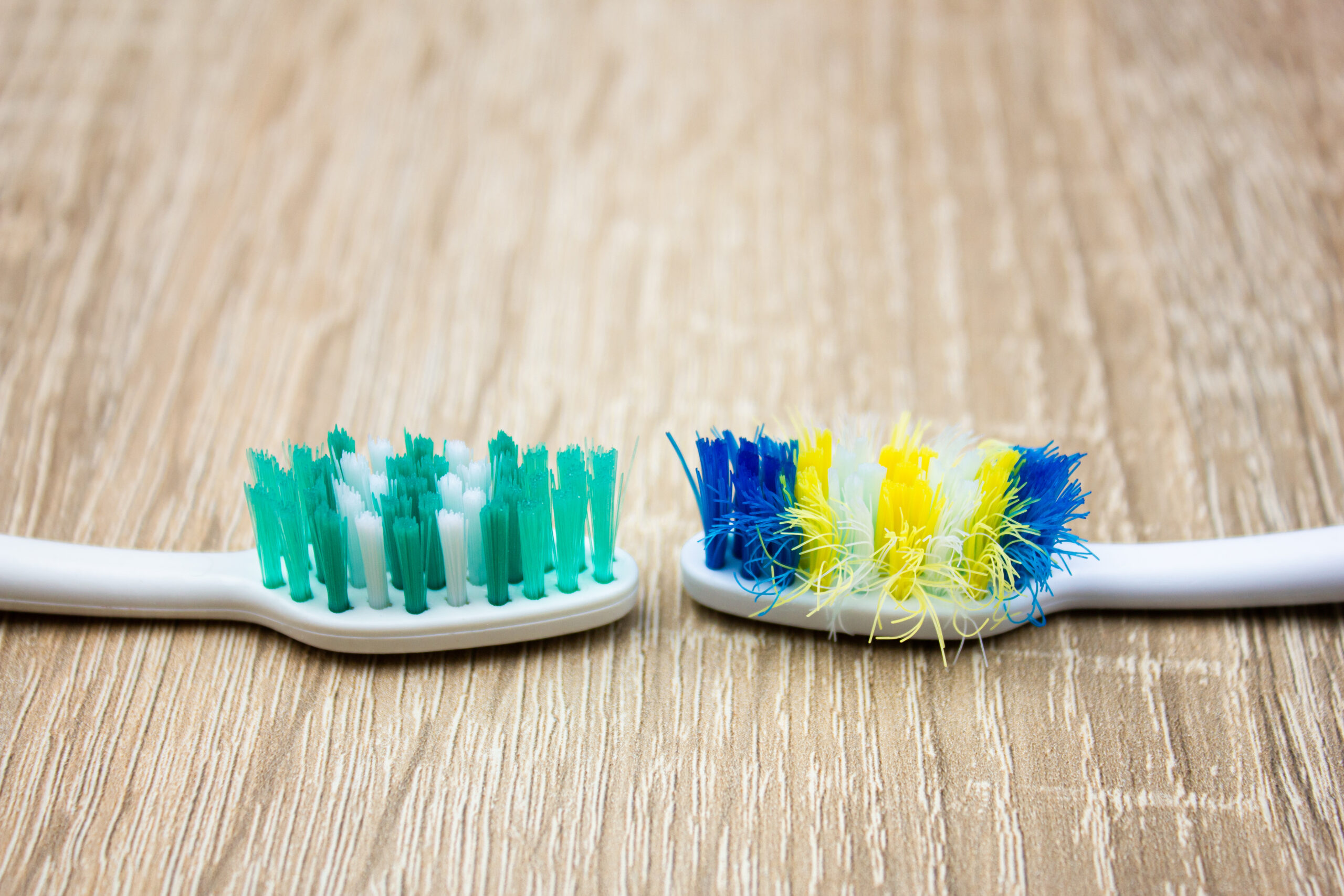
After a few months of twice-daily use, the bristles on your toothbrush begin to fray, bend, and lose stiffness. Once that happens, they can’t reach into the tiny grooves between your teeth and along the gumline, leaving plaque behind.
That leftover plaque hardens into tartar, which can only be removed during a professional cleaning. The longer tartar stays, the higher your risk for gum irritation and decay.
Tip: If the bristles start fanning out before three months, replace your brush sooner, especially if you brush aggressively or use a soft-bristle brush (which is gentler on enamel but wears faster).
2. Toothbrushes Harbor Bacteria
Think about where your toothbrush lives, usually in a warm, damp bathroom. That’s a perfect environment for bacteria to grow. Each time you brush, some bacteria from your mouth stay on the bristles, and when you reuse an old brush, you may be reintroducing those microbes.
While most bacteria are harmless, over time a buildup can contribute to gum inflammation or even reinfection after illness.
Keep it clean:
- Rinse your brush thoroughly after every use.
- Store it upright in the open air, never in a closed case while wet.
- Replace your toothbrush immediately after recovering from a cold, flu, or strep throat.
3. Fresh Bristles Protect Your Gums
Frayed bristles aren’t just ineffective, they can become sharp at the edges. Over time, that roughness can irritate your gumline and cause mild recession. Replacing your brush every few months ensures the bristles stay soft and flexible, cleaning effectively without damaging delicate tissue.
For people with sensitive gums, Discovery Smiles Dentistry often recommends an extra-soft bristle brush or an electric toothbrush with a pressure sensor that prevents over-brushing.
4. Electric Toothbrush? Change the Head, Too.
If you use an electric toothbrush (and many of our Tucson patients do), remember that the brush heads need replacing just like manual brushes. Most manufacturers recommend every three months, or sooner if the bristles show wear.
Bonus: Some electric models have color-fade bristles that remind you when it’s time for a swap. Keep a few spare heads in your bathroom drawer so it’s an easy task, not a chore.
5. Brush Replacement Can Be Fun (and Motivating)
A new toothbrush is a small investment that can make brushing more enjoyable. Try:
- Choosing a color or design that makes you smile.
- Pairing replacements with the change of seasons or your dental visits.
- Using the swap as a reminder to check your floss and mouthwash supply, too.
Parents can make it a family routine. Pick new brushes at the same time you change smoke-detector batteries or start spring cleaning.
6. The Right Brushing Technique Matters Just as Much
Even a new toothbrush won’t help if you rush the job. Refresh your technique this spring:
- Brush twice daily for two minutes.
- Use gentle circular motions at a 45-degree angle to your gums.
- Don’t scrub back and forth. This can wear down enamel.
- Use fluoride toothpaste and a pea-sized amount is plenty.
A good brush and proper technique keep plaque under control, helping you avoid the buildup that leads to tartar and gum disease.
7. Pair Home Care With Professional Cleanings
Replacing your toothbrush regularly supports your daily hygiene, but nothing replaces a professional cleaning. Discovery Smiles Dentistry in Tucson uses ultrasonic tools and gentle polishing to remove tartar, brighten enamel, and keep your smile healthy year-round.
If it’s been more than six months since your last visit, spring is the perfect time to schedule your cleaning, and maybe a whitening touch-up while you’re here.
A Fresh Start for Your Smile
Like spring itself, good dental care is all about renewal. A fresh toothbrush every few months keeps your mouth cleaner, your gums happier, and your smile brighter.
At Discovery Smiles Dentistry, we believe small, consistent habits create lifelong results. Replace your toothbrush, refresh your oral care routine, and come see us for your next cleaning or checkup. Together, we’ll keep your smile feeling as fresh as spring in Tucson.
Schedule your spring appointment today and step into the season with a confident, healthy smile!
Previous Blog Article
5 Resolutions for Dental Health in 2026
Posted on Feb 01, 2026
The new year is a great time to refocus on your health. Your smile deserves a spot at the top of that list. February is a time when New Year’s resolutions may begin to fade. Resolve to maintain consistent habits that can make a lifelong difference in your oral health. Whether you want whiter teeth, fresher breath, or fewer dental bills in the long run, these five simple resolutions can help you smile more confidently in 2026.
1. Brush and Floss Like It Matters (Because It Does)
Most adults brush daily, but few brush long enough or with proper technique. The American Dental Association recommends brushing two times a day for two full minutes using a soft-bristled toothbrush and fluoride toothpaste.
- Set a timer or play a short song to hit the two-minute mark.
- Replace your toothbrush or electric brush head every three months or after any illness.
- Floss once daily to clean between teeth where your brush can’t reach.
Think of brushing and flossing as an investment. It takes four minutes a day but can save you from hours in the dental chair later.
2. Schedule Your Preventive Visits
Preventive dental care is one of the easiest resolutions to keep. Cleanings and exams every six months help remove tartar, catch small cavities early, and give you a chance to talk with your dentist about your goals, whether it’s straightening, whitening, or protecting sensitive teeth.
Consistency is key to avoiding last-minute “emergency” visits.
3. Make Smart Swaps for a Healthier Smile
You don’t have to overhaul your diet to protect your teeth, just make a few strategic swaps:
- Water instead of soda or juice: helps rinse bacteria and neutralize acids.
- Sugar-free gum after meals: stimulates saliva, your mouth’s natural defense.
- Crunchy fruits and veggies like apples, carrots, and celery: gently scrub teeth as you chew.
- Calcium-rich foods such as cheese, yogurt, and leafy greens: strengthen enamel from the inside out.
The less sugar and acid you expose your teeth to, the less chance bacteria have to create decay.
4. Treat Your Smile to Cosmetic Confidence
If you’ve been putting off whitening, straightening, or repairing chipped teeth, let this be the year you treat yourself.
Modern dentistry offers fast, comfortable solutions that fit your schedule:
- Professional whitening can brighten your smile several shades in a single visit.
- Invisalign® or clear aligners subtly straighten teeth without metal brackets.
- Cosmetic bonding or veneers repair chips, gaps, or uneven edges with natural-looking results.
Sometimes a confident smile is the best motivation to maintain those healthy habits year-round.
5. Manage Stress and Protect Your Teeth
Stress doesn’t just affect your mood. It can affect your teeth. Clenching or grinding (bruxism) often happens subconsciously, especially during sleep. Over time, it can lead to jaw pain, worn enamel, and even cracked teeth.
Ask your dentist about a nightguard if you notice morning headaches or jaw tightness. Pair it with stress-reducing habits like deep breathing, exercise, and mindfulness to protect both your mental and dental health.
Small Steps, Big Results
You don’t have to be perfect, just consistent. Brushing, flossing, eating smart, and keeping up with cleanings will add up to fewer cavities, healthier gums, and a brighter, more confident smile.
At Discovery Smiles, our goal is to help you love your smile for life. Whether you’re due for your first checkup of 2026 or ready to explore cosmetic options, we’re here with gentle care and customized recommendations for every stage of your dental journey.
Start the new year with confidence! Schedule your next visit today! Call 520-721-2000 to book your appointment.
Previous Blog Article
Aerosol Reduction Vacuums Enhance Covid-19 Safety
Posted on Dec 01, 2025
The high-tech aerosol reduction vacuums at Discovery Smiles Dentistry minimize the spread of respiratory pathogens. These specialized vacuums are designed to capture and filter aerosols generated during dental procedures, significantly reducing the concentration of airborne particles that can contain viruses, including the virus responsible for COVID-19.
Our aerosol reduction vacuums work by using powerful suction to draw in airborne particles and aerosols as they are created, preventing them from dispersing throughout the treatment area. The system features HEPA filters, which are capable of trapping 99.97% of particles as small as 0.3 microns, effectively capturing a wide range of pathogens. This added layer of protection helps safeguard our staff and patients.
The implementation of aerosol reduction vacuums aligns with current guidelines and recommendations from health authorities and gives our patients and staff peace of mind.
Call 520-721-2000 to book your appointment at Discovery Smiles today.
Previous Blog Article

The Impact of Sleep Apnea on Oral Health
Posted on Nov 01, 2025
Sleep apnea is a serious sleep disorder characterized by repeated interruptions in breathing during sleep, leading to fragmented sleep and decreased oxygen levels in the body. This condition not only affects overall health but can also have significant implications for oral health. One of the most common oral manifestations of sleep apnea is bruxism, or teeth grinding. Many individuals with sleep apnea grind their teeth at night due to the stress and discomfort caused by interrupted breathing. Over time, bruxism can lead to worn enamel, increased tooth sensitivity, and even fractures, necessitating restorative dental treatments.
In addition to bruxism, sleep apnea can contribute to other oral health issues, including gum disease and dry mouth. The chronic lack of sleep associated with sleep apnea can weaken the immune system, making it more challenging for the body to fight off infections, including those affecting the gums. Furthermore, the use of continuous positive airway pressure (CPAP) machines, which are commonly prescribed to treat sleep apnea, can lead to dry mouth CPAP therapy requires a mask that can cause dryness, particularly if the mouth is open during sleep. Dry mouth not only causes discomfort but also increases the risk of cavities and gum disease, as saliva plays a crucial role in protecting the teeth.
Addressing sleep apnea is essential for maintaining optimal oral health. Those who suspect they may have sleep apnea should consult a healthcare professional for evaluation and treatment options. Discovery Smiles Dentistry can also play a role in managing the oral health aspects of sleep apnea, including providing custom mouthguards to help reduce bruxism and mitigate the effects of dry mouth. By recognizing the connection between sleep apnea and oral health, individuals can take proactive steps to protect their smiles while improving their overall well-being.
Call 520-721-2000 to book your appointment at Discovery Smiles today.
Previous Blog Article

Choosing the Right Toothpaste
Posted on Oct 01, 2025
Selecting the right toothpaste is a crucial step in maintaining optimal oral health, yet the plethora of options available can be overwhelming. When choosing toothpaste, the first factor to consider is the presence of fluoride. Fluoride is a mineral that strengthens tooth enamel and helps prevent cavities, making it a key ingredient in effective toothpaste. Look for products that have the American Dental Association (ADA) Seal of Acceptance, which indicates that the toothpaste meets specific safety and efficacy standards.
Next, consider any specific oral health concerns you may have. For example, if you suffer from tooth sensitivity, look for toothpaste specifically formulated for sensitive teeth. These products often contain potassium nitrate or strontium chloride, which can help alleviate discomfort. If you’re aiming for whiter teeth, you might opt for whitening toothpaste, but it’s essential to note that these products typically focus on removing surface stains rather than altering the natural color of your teeth. Additionally, if you have gum issues, consider toothpaste that contains antibacterial ingredients, which can help reduce plaque buildup and fight gum disease.
Finally, personal preferences, such as flavor and texture, also play a role in choosing the right toothpaste. Whether you prefer a minty flavor or a more natural option without artificial sweeteners, finding a toothpaste you enjoy using can encourage better brushing habits. Ultimately, consulting with your dentist can provide valuable insights tailored to your individual needs and help you make the best choice for your oral health. By taking these factors into account, you can ensure that your toothpaste not only cleans effectively but also supports your overall dental care routine.
Call 520-721-2000 to book your appointment at Discovery Smiles today.
 Call us