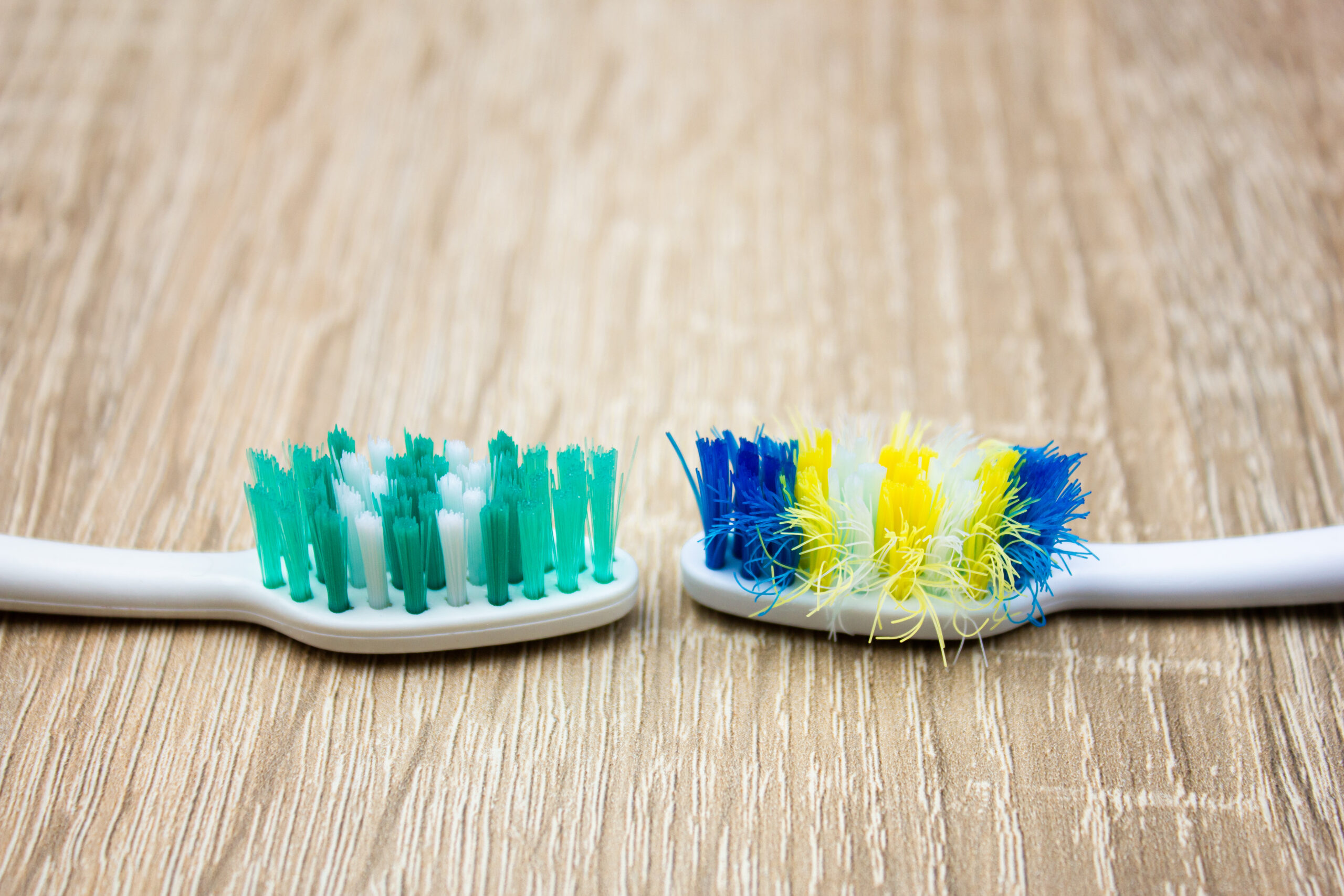
Spring Cleaning Your Mouth
Posted on Mar 01, 2026
Why You Should Replace Your Toothbrush Every 3 – 4 Months
Spring in Tucson is a season of renewal with desert blooms, fresh air, and a good reason to declutter the things that have overstayed their welcome. While you’re tackling closets and cupboards, don’t overlook one of the most important tools in your daily health routine: your toothbrush.
That small brush on your sink counter has a big job, and if it’s been hanging around too long, it may be doing more harm than good. Here’s why changing your toothbrush every three to four months can make a huge difference in your dental health, and how to keep your brushing routine as fresh as the season.
1. Old Toothbrushes Stop Cleaning Effectively
After a few months of twice-daily use, the bristles on your toothbrush begin to fray, bend, and lose stiffness. Once that happens, they can’t reach into the tiny grooves between your teeth and along the gumline, leaving plaque behind.
That leftover plaque hardens into tartar, which can only be removed during a professional cleaning. The longer tartar stays, the higher your risk for gum irritation and decay.
Tip: If the bristles start fanning out before three months, replace your brush sooner, especially if you brush aggressively or use a soft-bristle brush (which is gentler on enamel but wears faster).
2. Toothbrushes Harbor Bacteria
Think about where your toothbrush lives, usually in a warm, damp bathroom. That’s a perfect environment for bacteria to grow. Each time you brush, some bacteria from your mouth stay on the bristles, and when you reuse an old brush, you may be reintroducing those microbes.
While most bacteria are harmless, over time a buildup can contribute to gum inflammation or even reinfection after illness.
Keep it clean:
- Rinse your brush thoroughly after every use.
- Store it upright in the open air, never in a closed case while wet.
- Replace your toothbrush immediately after recovering from a cold, flu, or strep throat.
3. Fresh Bristles Protect Your Gums
Frayed bristles aren’t just ineffective, they can become sharp at the edges. Over time, that roughness can irritate your gumline and cause mild recession. Replacing your brush every few months ensures the bristles stay soft and flexible, cleaning effectively without damaging delicate tissue.
For people with sensitive gums, Discovery Smiles Dentistry often recommends an extra-soft bristle brush or an electric toothbrush with a pressure sensor that prevents over-brushing.
4. Electric Toothbrush? Change the Head, Too.
If you use an electric toothbrush (and many of our Tucson patients do), remember that the brush heads need replacing just like manual brushes. Most manufacturers recommend every three months, or sooner if the bristles show wear.
Bonus: Some electric models have color-fade bristles that remind you when it’s time for a swap. Keep a few spare heads in your bathroom drawer so it’s an easy task, not a chore.
5. Brush Replacement Can Be Fun (and Motivating)
A new toothbrush is a small investment that can make brushing more enjoyable. Try:
- Choosing a color or design that makes you smile.
- Pairing replacements with the change of seasons or your dental visits.
- Using the swap as a reminder to check your floss and mouthwash supply, too.
Parents can make it a family routine. Pick new brushes at the same time you change smoke-detector batteries or start spring cleaning.
6. The Right Brushing Technique Matters Just as Much
Even a new toothbrush won’t help if you rush the job. Refresh your technique this spring:
- Brush twice daily for two minutes.
- Use gentle circular motions at a 45-degree angle to your gums.
- Don’t scrub back and forth. This can wear down enamel.
- Use fluoride toothpaste and a pea-sized amount is plenty.
A good brush and proper technique keep plaque under control, helping you avoid the buildup that leads to tartar and gum disease.
7. Pair Home Care With Professional Cleanings
Replacing your toothbrush regularly supports your daily hygiene, but nothing replaces a professional cleaning. Discovery Smiles Dentistry in Tucson uses ultrasonic tools and gentle polishing to remove tartar, brighten enamel, and keep your smile healthy year-round.
If it’s been more than six months since your last visit, spring is the perfect time to schedule your cleaning, and maybe a whitening touch-up while you’re here.
A Fresh Start for Your Smile
Like spring itself, good dental care is all about renewal. A fresh toothbrush every few months keeps your mouth cleaner, your gums happier, and your smile brighter.
At Discovery Smiles Dentistry, we believe small, consistent habits create lifelong results. Replace your toothbrush, refresh your oral care routine, and come see us for your next cleaning or checkup. Together, we’ll keep your smile feeling as fresh as spring in Tucson.
Schedule your spring appointment today and step into the season with a confident, healthy smile!
Previous Blog Article
5 Resolutions for Dental Health in 2026
Posted on Feb 01, 2026
The new year is a great time to refocus on your health. Your smile deserves a spot at the top of that list. February is a time when New Year’s resolutions may begin to fade. Resolve to maintain consistent habits that can make a lifelong difference in your oral health. Whether you want whiter teeth, fresher breath, or fewer dental bills in the long run, these five simple resolutions can help you smile more confidently in 2026.
1. Brush and Floss Like It Matters (Because It Does)
Most adults brush daily, but few brush long enough or with proper technique. The American Dental Association recommends brushing two times a day for two full minutes using a soft-bristled toothbrush and fluoride toothpaste.
- Set a timer or play a short song to hit the two-minute mark.
- Replace your toothbrush or electric brush head every three months or after any illness.
- Floss once daily to clean between teeth where your brush can’t reach.
Think of brushing and flossing as an investment. It takes four minutes a day but can save you from hours in the dental chair later.
2. Schedule Your Preventive Visits
Preventive dental care is one of the easiest resolutions to keep. Cleanings and exams every six months help remove tartar, catch small cavities early, and give you a chance to talk with your dentist about your goals, whether it’s straightening, whitening, or protecting sensitive teeth.
Consistency is key to avoiding last-minute “emergency” visits.
3. Make Smart Swaps for a Healthier Smile
You don’t have to overhaul your diet to protect your teeth, just make a few strategic swaps:
- Water instead of soda or juice: helps rinse bacteria and neutralize acids.
- Sugar-free gum after meals: stimulates saliva, your mouth’s natural defense.
- Crunchy fruits and veggies like apples, carrots, and celery: gently scrub teeth as you chew.
- Calcium-rich foods such as cheese, yogurt, and leafy greens: strengthen enamel from the inside out.
The less sugar and acid you expose your teeth to, the less chance bacteria have to create decay.
4. Treat Your Smile to Cosmetic Confidence
If you’ve been putting off whitening, straightening, or repairing chipped teeth, let this be the year you treat yourself.
Modern dentistry offers fast, comfortable solutions that fit your schedule:
- Professional whitening can brighten your smile several shades in a single visit.
- Invisalign® or clear aligners subtly straighten teeth without metal brackets.
- Cosmetic bonding or veneers repair chips, gaps, or uneven edges with natural-looking results.
Sometimes a confident smile is the best motivation to maintain those healthy habits year-round.
5. Manage Stress and Protect Your Teeth
Stress doesn’t just affect your mood. It can affect your teeth. Clenching or grinding (bruxism) often happens subconsciously, especially during sleep. Over time, it can lead to jaw pain, worn enamel, and even cracked teeth.
Ask your dentist about a nightguard if you notice morning headaches or jaw tightness. Pair it with stress-reducing habits like deep breathing, exercise, and mindfulness to protect both your mental and dental health.
Small Steps, Big Results
You don’t have to be perfect, just consistent. Brushing, flossing, eating smart, and keeping up with cleanings will add up to fewer cavities, healthier gums, and a brighter, more confident smile.
At Discovery Smiles, our goal is to help you love your smile for life. Whether you’re due for your first checkup of 2026 or ready to explore cosmetic options, we’re here with gentle care and customized recommendations for every stage of your dental journey.
Start the new year with confidence! Schedule your next visit today! Call 520-721-2000 to book your appointment.
Previous Blog Article
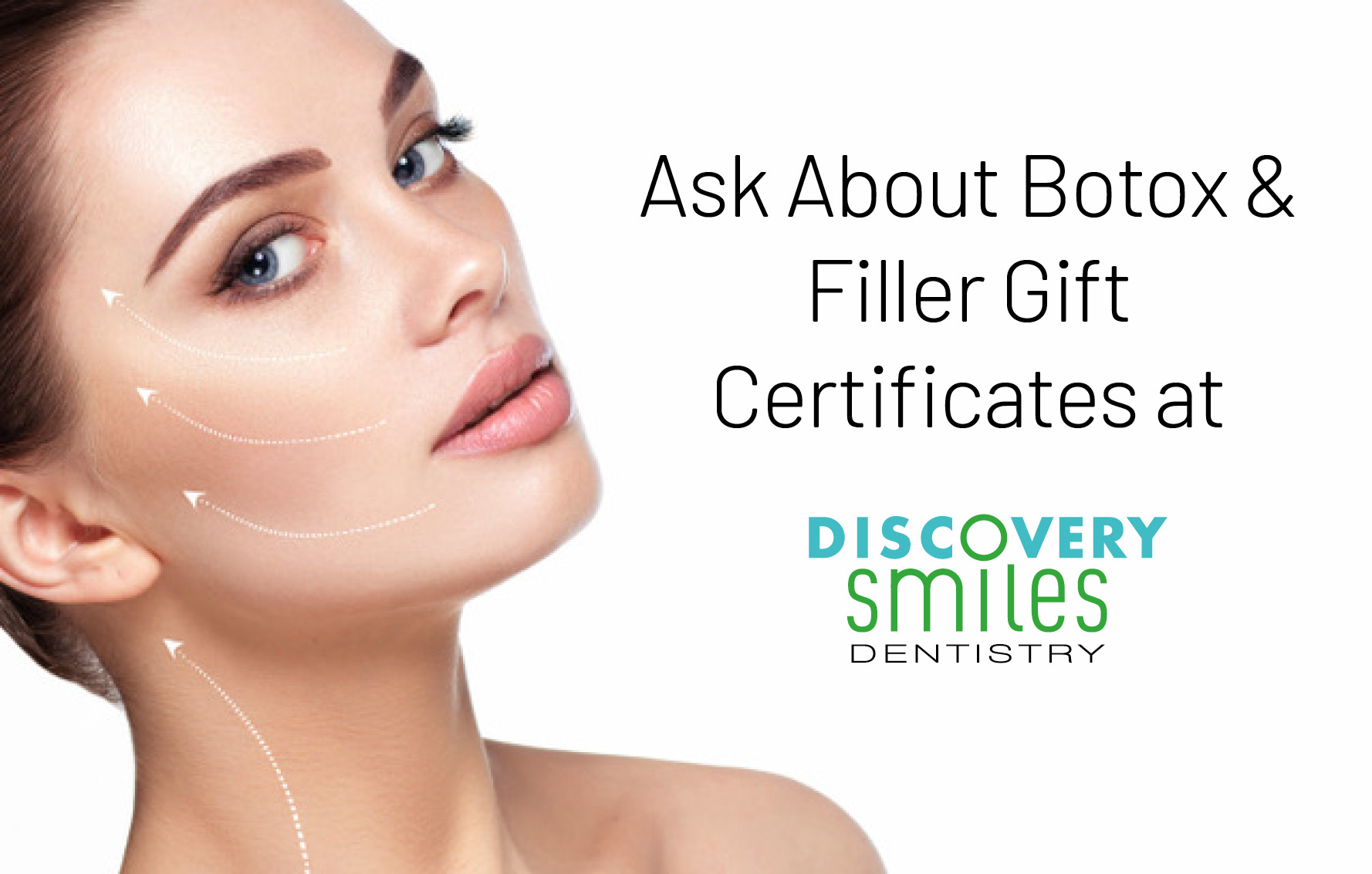
Love Your Smile for Valentine’s Day
Posted on Jan 01, 2026
Next month is the month of love, and it isn’t just about roses and chocolates. It’s also about feeling confident in your own skin and celebrating the smile that makes you uniquely you. If you have been thinking about refreshing your look before Valentine’s Day, Botox and fillers can do more than smooth a few lines. They can restore the natural balance that helps your smile shine.
At Discovery Smiles Dentistry in Tucson, we believe that beauty begins with confidence. Our aesthetic treatments are designed to help you look rested, relaxed, and ready to smile for every photo and every moment that matters.
1. Confidence is the Best Valentine’s Gift
When you feel confident, it shows in every expression. Botox softens lines that appear when you laugh or smile, and fillers add gentle volume to areas that have lost fullness over time. Together, they refresh your natural features while keeping your expressions genuine and joyful.
Patients often tell us they simply feel more like themselves again.
2. Perfect Timing for a Valentine’s Glow
Results from Botox and fillers appear gradually over a few days, so a mid-January appointment ensures you will look beautifully refreshed by Valentine’s Day. Whether you are celebrating with someone special or treating yourself to a little self-care, this is the perfect time to give your confidence a gentle boost.
A smoother, softer appearance can make your smile photos even more radiant.
3. Enhancing the Smile You Already Love
Botox and fillers work beautifully with cosmetic dental care such as whitening or veneers. When the skin around the mouth looks balanced and relaxed, the brightness of your smile stands out even more. The overall effect feels natural and effortless, a subtle harmony that makes your features glow.
Our Tucson patients love how these treatments enhance their dental results while keeping everything understated and elegant.
4. A Thoughtful Gift for Yourself
Valentine’s Day is about showing love in all its forms, including self-love. Taking time to care for your appearance can be a wonderful reminder that you deserve to feel confident and happy. A quick, gentle treatment can lift your spirits and brighten your outlook for the months ahead.
At Discovery Smiles Dentistry, we make every visit comfortable, easy, and personalized. You deserve to feel as good as you look.
Fall in Love with Your Smile
Confidence is beautiful at any age, and your smile is one of your best expressions of it. Whether you want a subtle refresh or a soft rejuvenation, Botox and fillers can help you greet Valentine’s Day feeling your absolute best.
Schedule your appointment at Discovery Smiles Dentistry in Tucson, and fall in love with your smile all over again. Call us at 520-721-2000 to book your appointment.
Previous Blog Article
Aerosol Reduction Vacuums Enhance Covid-19 Safety
Posted on Dec 01, 2025
The high-tech aerosol reduction vacuums at Discovery Smiles Dentistry minimize the spread of respiratory pathogens. These specialized vacuums are designed to capture and filter aerosols generated during dental procedures, significantly reducing the concentration of airborne particles that can contain viruses, including the virus responsible for COVID-19.
Our aerosol reduction vacuums work by using powerful suction to draw in airborne particles and aerosols as they are created, preventing them from dispersing throughout the treatment area. The system features HEPA filters, which are capable of trapping 99.97% of particles as small as 0.3 microns, effectively capturing a wide range of pathogens. This added layer of protection helps safeguard our staff and patients.
The implementation of aerosol reduction vacuums aligns with current guidelines and recommendations from health authorities and gives our patients and staff peace of mind.
Call 520-721-2000 to book your appointment at Discovery Smiles today.
Previous Blog Article

The Impact of Sleep Apnea on Oral Health
Posted on Nov 01, 2025
Sleep apnea is a serious sleep disorder characterized by repeated interruptions in breathing during sleep, leading to fragmented sleep and decreased oxygen levels in the body. This condition not only affects overall health but can also have significant implications for oral health. One of the most common oral manifestations of sleep apnea is bruxism, or teeth grinding. Many individuals with sleep apnea grind their teeth at night due to the stress and discomfort caused by interrupted breathing. Over time, bruxism can lead to worn enamel, increased tooth sensitivity, and even fractures, necessitating restorative dental treatments.
In addition to bruxism, sleep apnea can contribute to other oral health issues, including gum disease and dry mouth. The chronic lack of sleep associated with sleep apnea can weaken the immune system, making it more challenging for the body to fight off infections, including those affecting the gums. Furthermore, the use of continuous positive airway pressure (CPAP) machines, which are commonly prescribed to treat sleep apnea, can lead to dry mouth CPAP therapy requires a mask that can cause dryness, particularly if the mouth is open during sleep. Dry mouth not only causes discomfort but also increases the risk of cavities and gum disease, as saliva plays a crucial role in protecting the teeth.
Addressing sleep apnea is essential for maintaining optimal oral health. Those who suspect they may have sleep apnea should consult a healthcare professional for evaluation and treatment options. Discovery Smiles Dentistry can also play a role in managing the oral health aspects of sleep apnea, including providing custom mouthguards to help reduce bruxism and mitigate the effects of dry mouth. By recognizing the connection between sleep apnea and oral health, individuals can take proactive steps to protect their smiles while improving their overall well-being.
Call 520-721-2000 to book your appointment at Discovery Smiles today.
Previous Blog Article

Choosing the Right Toothpaste
Posted on Oct 01, 2025
Selecting the right toothpaste is a crucial step in maintaining optimal oral health, yet the plethora of options available can be overwhelming. When choosing toothpaste, the first factor to consider is the presence of fluoride. Fluoride is a mineral that strengthens tooth enamel and helps prevent cavities, making it a key ingredient in effective toothpaste. Look for products that have the American Dental Association (ADA) Seal of Acceptance, which indicates that the toothpaste meets specific safety and efficacy standards.
Next, consider any specific oral health concerns you may have. For example, if you suffer from tooth sensitivity, look for toothpaste specifically formulated for sensitive teeth. These products often contain potassium nitrate or strontium chloride, which can help alleviate discomfort. If you’re aiming for whiter teeth, you might opt for whitening toothpaste, but it’s essential to note that these products typically focus on removing surface stains rather than altering the natural color of your teeth. Additionally, if you have gum issues, consider toothpaste that contains antibacterial ingredients, which can help reduce plaque buildup and fight gum disease.
Finally, personal preferences, such as flavor and texture, also play a role in choosing the right toothpaste. Whether you prefer a minty flavor or a more natural option without artificial sweeteners, finding a toothpaste you enjoy using can encourage better brushing habits. Ultimately, consulting with your dentist can provide valuable insights tailored to your individual needs and help you make the best choice for your oral health. By taking these factors into account, you can ensure that your toothpaste not only cleans effectively but also supports your overall dental care routine.
Call 520-721-2000 to book your appointment at Discovery Smiles today.
Previous Blog Article

Dental Implants vs. Bridges: Choosing the Best Option for Missing Teeth
Posted on Sep 01, 2025
When faced with the loss of a tooth, individuals often find themselves weighing the options between dental implants and bridges. Both solutions aim to restore function and aesthetics, but they differ significantly in terms of procedure, longevity, and maintenance. Dental implants involve surgically placing a titanium post into the jawbone, which acts as an artificial tooth root. Over time, this post integrates with the bone through a process called osseointegration, providing a stable foundation for a crown. In contrast, dental bridges involve anchoring artificial teeth to adjacent healthy teeth, requiring the alteration of those neighboring teeth for support.
One of the significant advantages of dental implants is their durability and longevity. With proper care, implants can last a lifetime, as they do not rely on surrounding teeth for support. This independence also means they help preserve jawbone health by stimulating bone growth, which can be crucial after tooth loss. On the other hand, bridges typically have a shorter lifespan, often lasting around 10 to 15 years before they may need replacement. While bridges can restore aesthetics and function effectively, they do not prevent bone loss in the jaw, which can lead to changes in facial structure over time.
Cost is another critical factor in deciding between implants and bridges. While dental implants usually have a higher upfront cost due to the surgical procedure and materials involved, they can prove more cost-effective in the long run due to their longevity. Bridges, while initially less expensive, may require more frequent replacements and additional dental work on neighboring teeth, potentially increasing costs over time. Ultimately, the choice between dental implants and bridges should be made in consultation with a dentist, taking into account individual circumstances, oral health, and personal preferences to determine the best option for restoring a confident smile.
Call 520-721-2000 to book your appointment at Discovery Smiles today.
Previous Blog Article

The Impact of Stress on Oral Health
Posted on Aug 01, 2025
Stress is a common part of life that can significantly impact overall health, and oral health is no exception. When individuals experience stress, the body reacts in various ways, which can lead to negative consequences for teeth and gums. One of the most common effects of stress on oral health is bruxism, or teeth grinding. Many people unconsciously grind their teeth during stressful situations, especially at night. This can lead to worn-down teeth, jaw pain, and even fractures. Over time, bruxism can result in a range of dental issues, including tooth sensitivity and increased risk of cavities.
In addition to bruxism, stress can also contribute to gum disease. Stress weakens the immune system, making it harder for the body to fight off infections, including those affecting the gums. When stress levels are high, people may neglect their oral hygiene routines, leading to plaque buildup and gum inflammation. Furthermore, stress often drives individuals to unhealthy coping mechanisms, such as consuming sugary snacks or tobacco products, which can further exacerbate oral health problems. Neglecting routine dental visits during stressful times can also prevent early detection of potential issues, making it even more crucial to prioritize dental care.
Managing stress is essential for maintaining good oral health. Practicing relaxation techniques such as meditation, deep breathing exercises, or yoga can help reduce stress levels and minimize its impact on the body. Additionally, incorporating a consistent oral hygiene routine that includes brushing twice a day, flossing daily, and scheduling regular dental check-ups can help mitigate the adverse effects of stress on oral health. By addressing stress and its repercussions on dental care, individuals can protect their smiles and enhance their overall well-being.
Call 520-721-2000 to book your appointment at Discovery Smiles today.
Previous Blog Article
Understanding Gum Disease and Treatment Options
Posted on Jul 01, 2025
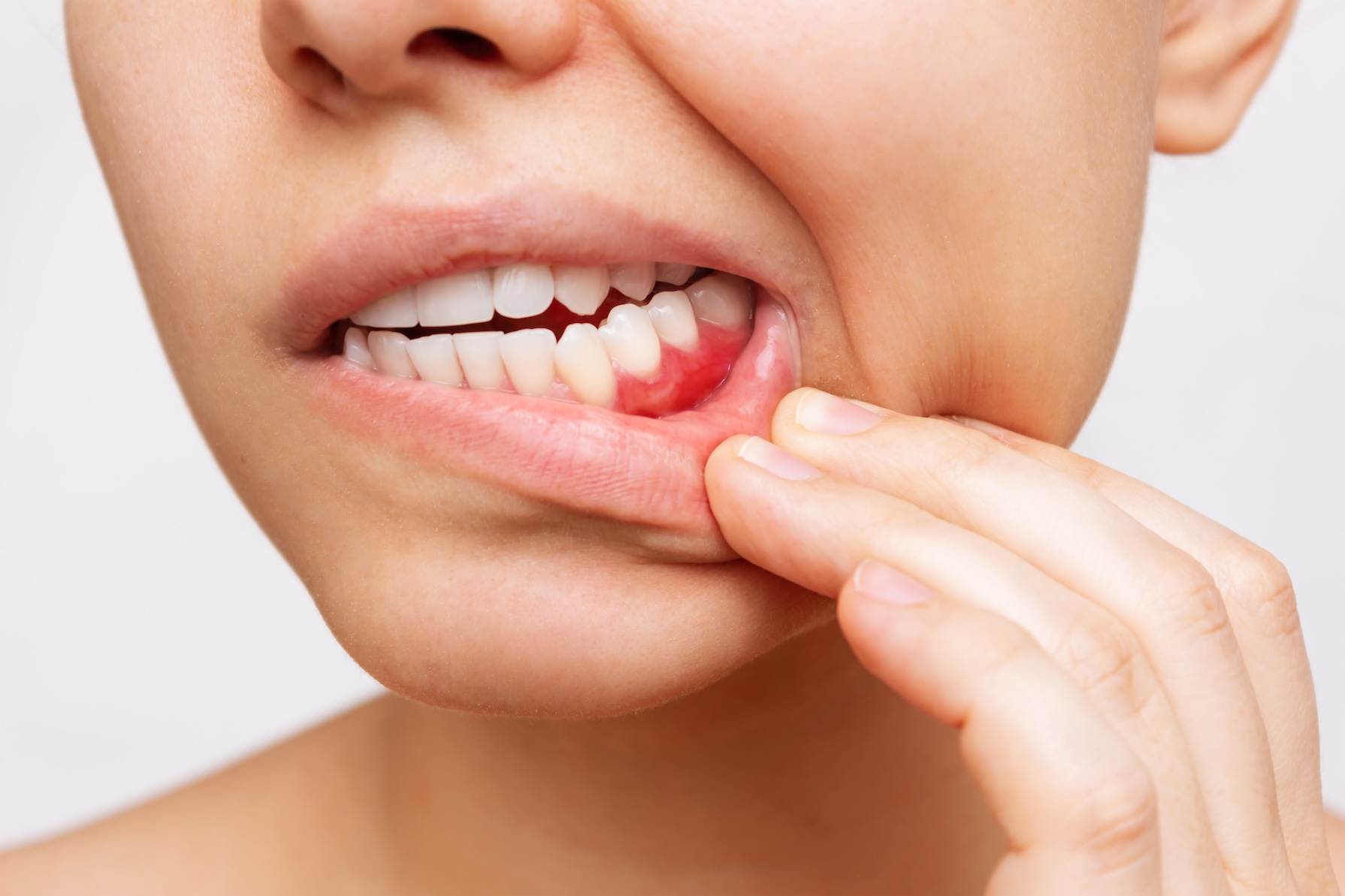
Gum disease, also known as periodontal disease, is a common condition that affects the gums and supporting structures of the teeth. It begins with gingivitis, which causes redness, swelling, and bleeding of the gums. If left untreated, it can progress to periodontitis, a more severe form of gum disease that can lead to tooth loss. The good news is that gum disease is treatable, especially when caught in the early stages. Regular dental check-ups and proper oral hygiene are key in preventing and managing gum disease.
For mild cases of gum disease, such as gingivitis, non-surgical treatments are often effective. Professional cleaning by a dentist or dental hygienist removes plaque and tartar from above and below the gum line, reducing inflammation. In cases where gum pockets have started to form, scaling and root planning is a deeper cleaning procedure that helps remove bacteria from below the gum line and smooths the tooth root to allow the gums to reattach to the teeth. This treatment can help prevent the disease from progressing and is often paired with improved at-home oral care.
For more advanced cases of periodontitis, surgical treatments may be necessary. Flap surgery involves lifting the gums to remove tartar deep in the pockets and then suturing them back in place, reducing pocket depth and making it easier to keep the area clean. In some cases, bone or tissue grafting may be required to restore lost bone or gum tissue. Advanced laser treatments are also becoming more common, providing a less invasive option to treat infection and promote healing. No matter the stage of gum disease, early intervention and consistent follow-up care are critical to maintaining healthy gums and preventing further complications.
Call 520-721-2000 to book your appointment at Discovery Smiles today.
Previous Blog Article

Dental Care for Seniors
Posted on Jun 01, 2025
As we age, maintaining good oral health becomes increasingly important, yet it often gets overlooked. Seniors are more prone to certain dental issues due to factors like medication use, chronic health conditions, and natural wear and tear on teeth. Common problems include dry mouth, gum disease, tooth loss, and cavities. Dry mouth, often caused by medications or health conditions, can lead to an increased risk of cavities because saliva plays a critical role in neutralizing acids and protecting teeth. Regular dental check-ups become vital in identifying and treating these issues early, preventing more severe problems down the road.
Gum health is a major concern for seniors, as conditions like periodontitis (advanced gum disease) can lead to tooth loss if left untreated. Receding gums, which naturally occur with age, can expose the tooth roots, making them more vulnerable to decay and sensitivity. Daily brushing and flossing, using fluoride toothpaste, and possibly incorporating an antibacterial mouthwash can help reduce the risk of gum disease. For those already experiencing gum issues, more frequent professional cleanings may be recommended to keep the gums healthy and reduce inflammation.
Dental care for seniors also involves paying attention to dentures, implants, and other restorative work that may have been done over the years. Dentures should be cleaned daily and checked regularly to ensure they still fit properly, while implants need routine maintenance to stay functional and comfortable. Additionally, as oral health is linked to overall health, seniors should be mindful of how their dental health impacts conditions like diabetes and heart disease. By maintaining a consistent oral hygiene routine and attending regular dental appointments, seniors can protect their smiles and overall health well into their golden years.
Call 520-721-2000 to book your appointment at Discovery Smiles today.
 Call us